Bolognese Sauce: 6 Bolognese Sauce Hacks for Dinner
Bolognese Sauce: Master the Art of Slow-Cooked Perfection with These 6 Dinner Hacks!
There are few culinary delights as comforting and universally loved as a rich, slow-simmered meat sauce. This incredible Bolognese Sauce is not just a dish; it’s an experience, a labor of love that rewards patience with unparalleled depth of flavor. Often referred to simply as Ragu, this classic Italian staple is perfect for a cozy family dinner or impressing guests. We’re sharing six clever hacks to elevate your homemade Bolognese from great to absolutely unforgettable, making every spoonful a taste of authentic Italian tradition.

Quick Glance Summary
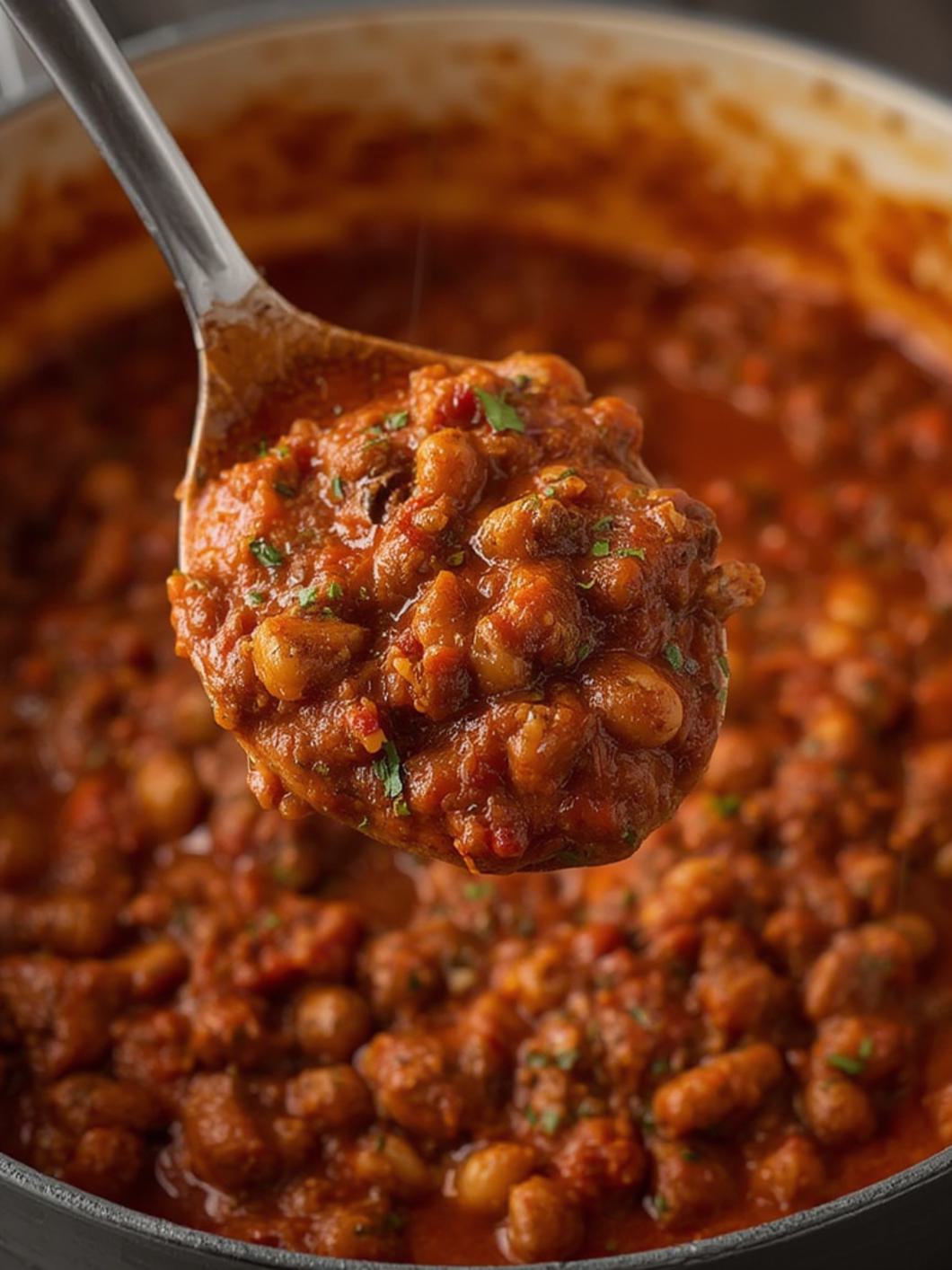
This classic Bolognese Sauce is a hearty, slow-cooked meat sauce originating from Bologna, Italy. Featuring a blend of ground meats, aromatic vegetables, tomatoes, milk, and wine, it simmers for hours to develop a rich, complex flavor. Perfect tossed with tagliatelle or used in lasagna, it’s a deeply satisfying and versatile dish for any occasion.
What You’ll Need
Gathering your ingredients ahead of time ensures a smooth and enjoyable cooking process. Here’s what you’ll need to create this magnificent sauce:
1 tablespoon olive oil
4 ounces pancetta, finely diced
1 pound ground beef (80/20 lean), or a mix of beef and pork
1 large onion, finely chopped
2 carrots, peeled and finely chopped
2 celery stalks, finely chopped
4 cloves garlic, minced
1 cup dry red wine (such as Sangiovese or Merlot)
1 (28-ounce) can crushed tomatoes
1/2 cup tomato paste
1 cup whole milk
1 cup beef or chicken broth
1 bay leaf
1/2 teaspoon freshly grated nutmeg
Salt and freshly ground black pepper to taste
For serving: Cooked tagliatelle or your favorite pasta, freshly grated Parmesan cheese, fresh basil or parsley

Preparation Instructions
Creating an authentic Bolognese Sauce is a journey of flavors, and these steps ensure every layer is perfected. The slow simmering process allows the ingredients to meld beautifully, creating a deep, savory Ragu that’s truly special.
1. Render the Pancetta: Heat the olive oil in a large, heavy-bottomed pot or Dutch oven over medium heat. Add the diced pancetta and cook until crispy and most of the fat has rendered, about 5-7 minutes. Remove the pancetta with a slotted spoon and set aside, leaving the rendered fat in the pot.
2. Brown the Meat: Add the ground beef (and pork, if using) to the pot. Increase heat to medium-high and cook, breaking up the meat with a spoon, until deeply browned and no pink remains. This browning is crucial for flavor. Drain off any excess fat.
3. Build the Soffritto: Reduce the heat to medium. Add the chopped onion, carrots, and celery to the pot. Sauté, stirring occasionally, until the vegetables are softened and translucent, about 8-10 minutes. Stir in the minced garlic and cook for another minute until fragrant.
4. Deglaze with Wine: Pour in the red wine, scraping up any browned bits from the bottom of the pot. Bring to a simmer and cook until the wine has almost completely evaporated, about 5-7 minutes. This concentrates the wine’s flavor.
5. Add Tomatoes and Milk: Stir in the crushed tomatoes and tomato paste until well combined. Next, pour in the whole milk. While it might seem unconventional, the milk helps tenderize the meat and adds a creamy richness to the sauce, mellowing the acidity of the tomatoes. Bring to a gentle simmer.
6. Simmer and Season: Add the beef broth, bay leaf, and nutmeg. Season generously with salt and freshly ground black pepper. Bring the sauce to a bare simmer, then reduce the heat to low, cover partially, and cook for at least 2-3 hours, stirring occasionally. The longer it simmers, the more complex the flavors will become. If the sauce becomes too thick, add a little more broth or water.
7. Finish and Serve: Once the sauce has achieved your desired richness and consistency, remove the bay leaf. Stir in the reserved crispy pancetta. Taste and adjust seasoning as needed. Serve hot over cooked tagliatelle or your favorite pasta, garnished with freshly grated Parmesan cheese and fresh basil or parsley.

Fun Twists & Serving Ideas
While classic Bolognese is perfect as is, don’t be afraid to get creative!
1. Lasagna Masterpiece: Use this rich Bolognese as the star layer in a show-stopping homemade lasagna.
2. Polenta Perfection: Serve a generous scoop over creamy, cheesy polenta for a comforting, gluten-free alternative to pasta.
3. Spicy Kick: Add a pinch of red pepper flakes with the garlic for a subtle heat that complements the richness.
4. Herb Garden Twist: Experiment with fresh herbs like rosemary or oregano, added in the last 30 minutes of simmering, for a different aromatic profile.
5. Hidden Veggies: For a healthier twist, finely grate zucchini or mushrooms into the soffritto mixture. They’ll melt into the sauce, adding nutrients without altering the texture.
Reviews
Sarah L. ⭐⭐⭐⭐⭐
“This Bolognese is a game-changer! The depth of flavor is incredible, and the tips for adding milk and simmering truly make a difference. My family devoured it, and I’ll never go back to jarred sauce again.”
Michael P. ⭐⭐⭐⭐⭐
“I’ve made Bolognese many times, but these hacks elevated my game. The pancetta rendering and long simmer created such a tender, rich sauce. Absolutely restaurant quality at home!”
Jessica R. ⭐⭐⭐⭐⭐
“So worth the time! I loved serving this over fresh tagliatelle. It’s truly comforting and packed with flavor. The instructions were clear, and the result was spectacular.”
FAQ
Q: Can I make Bolognese ahead of time?
A: Absolutely! Bolognese Sauce often tastes even better the next day as the flavors have more time to meld and deepen. Store it in an airtight container in the refrigerator for up to 3-4 days.
Q: Can Bolognese Sauce be frozen?
A: Yes, Bolognese freezes beautifully! Allow it to cool completely, then transfer it to freezer-safe containers or bags. It can be stored in the freezer for up to 3 months. Thaw overnight in the refrigerator before reheating.
Q: What’s the difference between Bolognese and Marinara sauce?
A: Marinara is a quick, light tomato-based sauce, typically vegetarian, with a brighter flavor profile. Bolognese is a rich, slow-cooked meat-based sauce with a much deeper, more savory, and complex flavor, often including milk and wine.
Q: Why add milk to Bolognese?
A: Adding milk is a traditional step in authentic Bolognese recipes. It helps to tenderize the meat, mellow out the acidity of the tomatoes, and contributes to the sauce’s characteristic creamy texture and richness.
Q: What kind of wine should I use for Bolognese?
A: A dry red wine is best. Chianti, Sangiovese, Merlot, or even a basic table red will work well. Avoid sweet wines, as they will throw off the balance of the sauce.
Conclusion
There’s nothing quite like a homemade Bolognese Sauce to bring warmth and joy to your table. With these simple yet effective hacks, you can achieve a depth of flavor and richness that rivals any trattoria. Whether you call it Bolognese or Ragu, this classic Italian meat sauce is a testament to the power of patience and quality ingredients. We hope you’ll cherish making and sharing this truly special dish with your loved ones for years to come.
Recipe Note
For an even richer sauce, consider adding a parmesan rind to the pot during the simmering stage. It will slowly melt and infuse the sauce with a delightful umami depth, which can be removed before serving.
Bolognese Sauce
Cook Time: 1 h 30 minutes
Total Time: 3-4 hours (including simmer time)
Course: Main Course
Servings: 6-8
Calories: 450-550 per serving (approximate, without pasta)
Ingredients
- 2 tablespoons olive oil
- 1 tablespoon unsalted butter
- 1 large onion, finely chopped
- 2 carrots, finely chopped
- 2 celery stalks, finely chopped
- 4 cloves garlic, minced
- 1 pound ground beef (80/20 lean recommended)
- 1/2 pound ground pork (or Italian sausage, casings removed)
- 1/2 cup dry red wine (e.g., Chianti, Merlot)
- 1/2 cup whole milk
- 1 (28 ounce) can crushed tomatoes (San Marzano recommended)
- 1/4 cup tomato paste
- 1 cup beef broth or stock
- 1 bay leaf
- 1/2 teaspoon dried oregano (optional)
- Salt and freshly ground black pepper to taste
- Pinch of nutmeg
- Fresh parsley or basil for garnish (optional)
Instructions
-
Heat olive oil in a large pot over medium heat.
-
Add onion, carrot, and celery; cook 5–7 minutes until soft.
-
Stir in garlic and cook for 30 seconds until fragrant.
-
Add ground meat, season with salt and pepper, and cook until browned.
-
Pour in milk and simmer until mostly absorbed.
-
Add wine (if using) and cook until reduced.
-
Stir in crushed tomatoes, tomato paste, oregano, basil, bay leaf, and nutmeg.
-
Reduce heat to low and simmer 1–1½ hours, stirring occasionally.
-
Remove bay leaf, adjust seasoning, and serve.
🍝 Serving Suggestions
-
Serve over tagliatelle, spaghetti, or pappardelle
-
Use in lasagna or baked pasta dishes
-
Finish with grated Parmesan cheese
Chef’s Notes: For best flavor, allow the sauce to simmer for at least 2-3 hours, or even longer. It can be made a day ahead and refrigerated, as the flavors often improve overnight. Traditionally served with tagliatelle or other wide, flat pasta.