Homemade Ciabatta Bread – Light, Airy & Crispy Crust
The Art of Authenticity: Mastering Homemade Ciabatta Bread

Prepare to embark on a culinary journey that transcends the ordinary, leading you straight to the heart of Italian baking. There’s a profound joy in creating something truly magnificent with your own hands, and our Ciabatta Bread recipe promises just that. Imagine a loaf with an impossibly airy, open crumb, a gloriously crisp, golden crust, and a flavor profile that speaks of rustic simplicity and profound depth. This isn’t just bread; it’s an experience, a cornerstone for any meal, and a testament to the magic that happens when humble ingredients meet passion. Forget the bland, store-bought imitations – the authentic taste of homemade Ciabatta Bread is within your reach, ready to elevate your sandwiches, sop up your finest olive oil, or simply be savored, slice by delightful slice.
Recipe Card will be inserted here.
Quick Glance Summary
⏱️ Prep Time: Active Prep: 30 minutes, Total: 3-4 hours (including proofing)
🍽️ Servings: 10-12
💥 Vibe: Rustic, Airy, Authentic
Jump Ahead: Your Ciabatta Bread Journey Starts Here!
- What You’ll Need for the Perfect Loaf
- How to Make Ciabatta Bread: A Step-by-Step Guide
- Fun Twists & Serving Ideas
- What Our Bakers Are Saying
- Frequently Asked Questions
- A Final Word from Our Kitchen
What You’ll Need for the Perfect Loaf
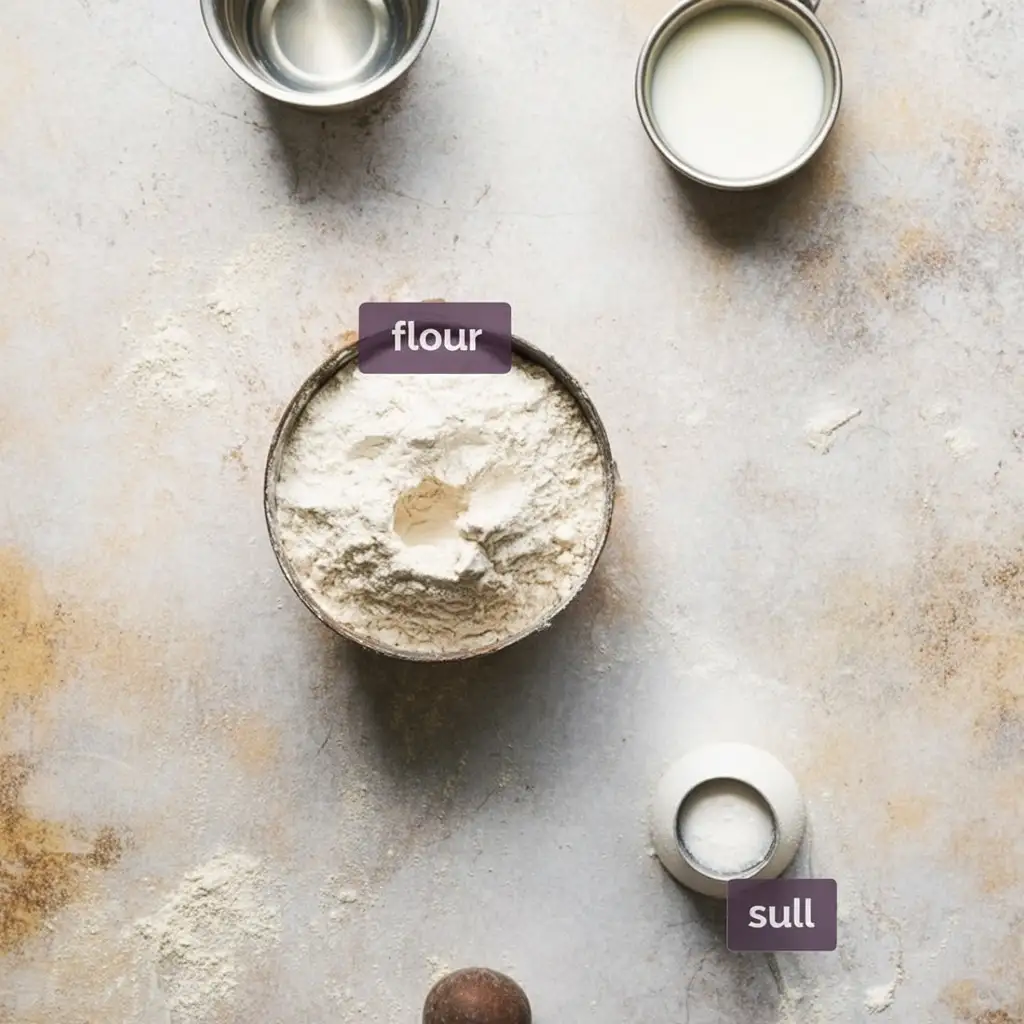
Crafting exquisite Ciabatta Bread requires just a few basic ingredients, but their quality truly shines through in the final product. Invest in good flour and a reliable yeast, and you’re already halfway to a spectacular, rustic bread.
- 450g (3 ½ cups) Bread Flour (high-protein content is key for that signature chew)
- 350ml (1 ½ cups) Warm Water (around 105-115°F / 40-46°C)
- 7g (2 ¼ teaspoons) Active Dry Yeast
- 10g (1 ½ teaspoons) Fine Sea Salt
- 2 tablespoons Olive Oil, plus extra for the bowl and drizzle
- Semolina flour or rice flour, for dusting (optional, but highly recommended for easy handling)
How to Make Ciabatta Bread: A Step-by-Step Guide
Get ready to immerse yourself in the art of making true Ciabatta Bread. This recipe embraces the high-hydration dough that gives ciabatta its characteristic open crumb, requiring patience but promising immense rewards.
- Activate the Yeast: In a large mixing bowl, combine the warm water and active dry yeast. Stir gently and let it sit for 5-10 minutes until frothy. This confirms your yeast is active and ready to bring your Ciabatta Bread to life.
- Combine Ingredients: Add the bread flour, salt, and 2 tablespoons of olive oil to the yeast mixture. Using a strong spatula or your hands, mix until a shaggy, very sticky dough forms. Do not overmix; the goal is just to combine all ingredients.
- First Rest (Autolyse): Cover the bowl with plastic wrap or a damp tea towel and let the dough rest for 20 minutes. This allows the flour to fully hydrate and gluten development to begin naturally, which is crucial for a great Ciabatta Bread.
- Stretch and Folds (4 Rounds): This is where the magic happens for your Ciabatta Bread’s structure.
- Round 1: Lightly wet your hands. Grab a portion of the dough from one side, stretch it upwards, and fold it over itself to the opposite side of the bowl. Rotate the bowl a quarter turn and repeat this stretch-and-fold motion 3 more times, working your way around the bowl. The dough will be very loose.
- Rests: Cover the bowl and let it rest for 30 minutes.
- Rounds 2, 3, & 4: Repeat the stretch and fold process (4 folds per round) every 30 minutes for a total of four rounds. With each round, you’ll notice the dough becoming progressively stronger, smoother, and more elastic. It will still be sticky, but it will hold its shape better.
- Bulk Proof: After the final set of stretch and folds, cover the bowl and let the dough rise at room temperature for 1 to 1.5 hours, or until it has noticeably increased in volume and looks bubbly. The exact time will depend on your kitchen’s temperature.
- Prepare for Shaping: Generously flour your work surface with bread flour or semolina. Gently turn the dough out onto the floured surface. Do not punch it down; you want to preserve all those precious air bubbles that give Ciabatta Bread its signature open crumb.
- Divide and Shape: Lightly dust the top of the dough. Using a bench scraper or knife, gently divide the dough into 2 or 3 rectangular portions, depending on your desired loaf size. Try to avoid handling the dough too much; simply nudge and pat it gently into shape.
- Final Proof: Carefully transfer the shaped Ciabatta Bread loaves onto a piece of parchment paper or a well-floured linen couche. If using parchment, you can create “flour dams” with aluminum foil between the loaves to help them hold their shape. Cover loosely with plastic wrap or a damp cloth and let them proof for another 30-45 minutes, or until puffy.
- Preheat Oven & Bake: While the loaves proof, preheat your oven to 450°F (230°C) with a baking stone or steel inside for at least 30 minutes. Place a shallow metal pan on the bottom rack of your oven.
- Steam & Bake: Carefully slide the parchment paper with the Ciabatta Bread loaves onto the preheated baking stone/steel. Pour about 1 cup of hot water into the shallow pan at the bottom of the oven (be careful of the steam!). Quickly close the oven door. Bake for 20-25 minutes, or until the Ciabatta Bread is deep golden brown and sounds hollow when tapped on the bottom.
- Cool: Transfer the baked Ciabatta Bread to a wire rack and let it cool completely before slicing. This allows the interior to set and prevents a gummy texture.
Fun Twists & Serving Ideas
Once you’ve mastered the classic Ciabatta Bread, the possibilities are endless! Here are a few ways to elevate your loaves:
- Herb-Infused Ciabatta: Add 2 tablespoons of finely chopped fresh rosemary, thyme, or oregano to the dough with the flour for an aromatic twist.
- Garlic & Olive Ciabatta: Incorporate ½ cup of pitted and chopped Kalamata olives and 3-4 cloves of minced garlic during the initial mixing stage.
- Sundried Tomato Ciabatta: Mix in ¼ cup of oil-packed sundried tomatoes, drained and chopped, for a burst of concentrated flavor and vibrant color.
- Serving Suggestions: Ciabatta Bread is perfect for hearty sandwiches, especially panini. It’s also fantastic for dipping into olive oil and balsamic vinegar, accompanying pasta dishes, or as bruschetta. Don’t forget to use it for grilled cheese – the crispy crust and airy interior are unbeatable!
What Our Bakers Are Saying
The joy of baking Ciabatta Bread is truly contagious. Hear from our incredible community:
- ⭐ ⭐ ⭐ ⭐ ⭐ – Sarah L.
“I never thought I could make Ciabatta Bread this good at home! The instructions were so clear, and the result was absolutely divine. My family devoured it.” - ⭐ ⭐ ⭐ ⭐ ⭐ – David M.
“This recipe for Ciabatta Bread is a game-changer. The stretch and fold technique really works wonders. I’m officially hooked on homemade bread, thanks to magicinkitchen.com!” - ⭐ ⭐ ⭐ ⭐ ⭐ – Emily R.
“The crust! The crumb! Everything about this Ciabatta Bread is perfect. It felt so rewarding to pull those golden loaves from the oven. Highly recommend!”
Frequently Asked Questions
Got questions about your Ciabatta Bread journey? We’ve got answers!
Q: Why is my Ciabatta Bread so dense?
A: Density often comes from over-handling the dough, especially during shaping, which deflates the precious air bubbles. It can also be a sign of insufficient proofing or not enough hydration. Ensure gentle handling and give your dough ample time to rise.
Q: Can I use all-purpose flour instead of bread flour for Ciabatta Bread?
A: While bread flour is recommended for its higher protein content, which contributes to ciabatta’s characteristic chew and open crumb, you can use all-purpose flour. The texture might be slightly different, but it will still yield a delicious loaf. Adding a teaspoon of vital wheat gluten can help if using AP flour.
Q: How do I create steam in my home oven for Ciabatta Bread?
A: The easiest method is to place a shallow metal pan on the bottom rack of your oven while it preheats. Just before putting the bread in, carefully pour 1 cup of very hot water into that pan. Close the oven door quickly to trap the steam. Be cautious of the hot steam!
Q: How long does homemade Ciabatta Bread last?
A: Fresh Ciabatta Bread is best enjoyed on the day it’s baked. It will stay good for 1-2 days at room temperature in an airtight container or bread box. For longer storage, you can freeze individual slices or whole loaves, tightly wrapped, for up to 3 months. Thaw and refresh in a warm oven.
A Final Word from Our Kitchen
There’s an undeniable magic that happens when you bake bread from scratch. The scent filling your kitchen, the anticipation as you watch it rise, and that first glorious bite of a perfectly crisp crust giving way to an impossibly airy interior – these are the moments we live for. This Ciabatta Bread recipe isn’t just about following steps; it’s about connecting with an ancient craft, nurturing dough, and creating something truly spectacular. We encourage you to embrace the stickiness, trust the process, and discover the immense satisfaction of pulling your own golden loaves of Ciabatta Bread from the oven. Share it, savor it, and let it remind you of the simple, profound pleasures of homemade goodness. Find more artisanal recipes and baking inspiration at magicinkitchen.com.
Recipe Note
To restore day-old Ciabatta Bread to its fresh-baked glory, lightly mist the loaf with water and pop it into a 350°F (175°C) oven for 5-10 minutes. It will miraculously crisp up and become wonderfully soft inside again.

Ciabatta Bread
Cook Time: Cook: 25 minutes
Total Time: 3 hours 30 minutes (includes fermentation)
Course: Bread, Side Dish, Italian Recipes
Servings: 2 loaves (approx. 16-20 slices total)
Calories: Approx. 150 calories per slice
Ingredients
- 500g (about 4 cups) bread flour, plus more for dusting
- 400ml (about 1 2/3 cups) warm water (around 100-105°F / 38-40°C)
- 7g (2 1/4 teaspoons or 1 packet) instant yeast
- 10g (1 1/2 teaspoons) fine sea salt
- 1 tbsp olive oil (optional, for greasing bowl)
Instructions
- **Combine Ingredients:** In a large bowl, whisk together the flour, instant yeast, and salt. Add the warm water and mix with a wooden spoon or your hand until all the flour is hydrated and a shaggy, very sticky dough forms. Do not knead vigorously; just ensure no dry flour remains. If desired, lightly grease the bowl with olive oil before adding the dough. Cover the bowl tightly with plastic wrap or a damp kitchen towel.
2. **Bulk Fermentation & Stretch and Folds:** Let the dough rest at room temperature for 30 minutes. After 30 minutes, perform the first ‘stretch and fold’. Lightly wet your hands, gently grab one side of the dough, stretch it upwards, and fold it over to the opposite side. Rotate the bowl a quarter turn and repeat this process 3-4 more times, until you’ve gone all around the dough. Re-cover and let rest for another 30-45 minutes. Repeat the stretch and fold process 3 more times over the next 1.5-2 hours (total 4 sets of stretch and folds), with 30-45 minutes rest in between each set. The dough should become smoother, more elastic, and airier, and significantly increased in volume.
3. **Final Bulk Rest:** After the final stretch and fold, let the dough rest, covered, for another 30-60 minutes, or until it has noticeably increased in volume, is very bubbly, and jiggles easily when the bowl is gently shaken.
4. **Prepare for Shaping:** Generously flour your work surface. Gently scrape the dough out of the bowl onto the floured surface. Try not to deflate it too much. It will be very wet and sticky.
5. **Divide and Preshape:** With floured hands or a dough scraper, gently pat the dough into a rough rectangle, about 1-inch thick. Avoid pressing out all the air. Lightly flour the top. Using a dough scraper, gently divide the dough in half to form two rough ciabatta shapes. Do not try to make them perfect.
6. **Final Proof:** Carefully transfer each ciabatta dough onto a separate piece of parchment paper. You can then transfer the parchment paper to a baking sheet. Alternatively, create a ‘couch’ by gently pleating a floured kitchen towel between the loaves to help them hold their shape during proofing. Let proof uncovered or very lightly covered with a floured towel for 45-60 minutes, or until puffy and slightly jiggly.
7. **Preheat Oven & Steam Setup:** At least 30 minutes before baking, preheat your oven to 450°F (230°C) with a baking stone or inverted sturdy baking sheet inside. Place a cast iron pan or other oven-safe metal pan on the bottom rack of the oven for creating steam.
8. **Bake:** Carefully transfer the ciabatta (on their parchment paper) to the preheated baking stone/sheet in the oven. Quickly pour about 1 cup of boiling water into the hot pan on the bottom rack to create steam. Immediately close the oven door. Bake for 20-25 minutes, or until the loaves are deep golden brown and the crust is firm and sounds hollow when tapped. If baking two loaves, you might need to rotate them halfway through for even browning.
9. **Cool:** Remove the ciabatta from the oven and transfer them to a wire rack to cool completely for at least 1 hour before slicing and serving. This is crucial for the internal crumb structure to set properly.
Chef’s Notes: Ciabatta is known for its open, airy crumb and crisp crust. The key to achieving this is high hydration, minimal kneading, gentle handling during shaping, and steam during baking. Don’t be afraid of the sticky dough!