Napa Cabbage Kimchi: 5 Must-Know Tips
Unleash the Flavor: Master Napa Cabbage Kimchi with These 5 Must-Know Tips
Dive into the vibrant, spicy, and utterly addictive world of Korean cuisine with homemade Napa Cabbage Kimchi. More than just a side dish, this fermented wonder is a cornerstone of Korean meals, offering a burst of flavor and incredible health benefits. Often referred to as Baechu Kimchi, its complex taste profile — a perfect balance of savory, spicy, and tangy notes — is surprisingly achievable in your own kitchen. Prepare to elevate your culinary skills and impress your taste buds with this essential guide.

What You’ll Need
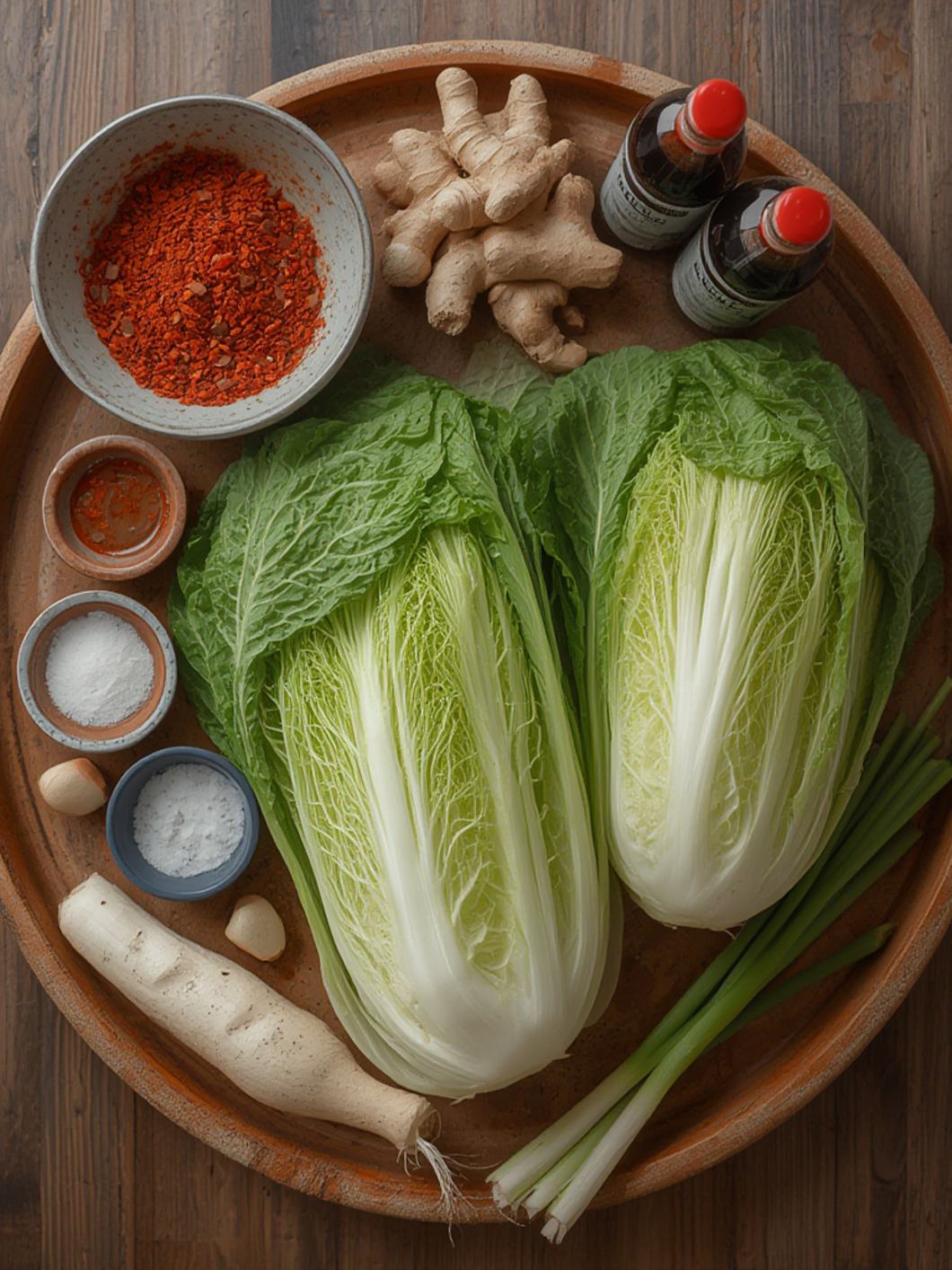
Gathering your ingredients is the first step to creating authentic Baechu Kimchi. Freshness and quality are key to achieving that signature zing.
1 large napa cabbage (about 5-6 lbs)
1 cup coarse sea salt (non-iodized)
1 cup glutinous rice flour
1 cup water
2 tbsp sugar
1 large daikon radish, julienned
8-10 green onions, chopped into 2-inch pieces
1 yellow onion, roughly chopped
1 head garlic, peeled
1 piece ginger (about 2 inches), peeled
1/2 cup Korean chili flakes (gochugaru), or more to taste
1/4 cup fish sauce
2 tbsp salted fermented shrimp (saeujeot), minced (optional, but recommended)
Preparation Instructions
Making homemade Napa Cabbage Kimchi is a labor of love, but the rewarding flavors are well worth the effort. Follow these steps carefully to ensure a delicious and authentic result. The secret to perfect Baechu Kimchi lies in patience and thorough preparation.
1. Salt the Cabbage: Cut the napa cabbage lengthwise into quarters. Cut out the tough core. Cut each quarter into 2-inch pieces. Rinse the cabbage thoroughly under cold water. In a large bowl or tub, layer the cabbage with coarse sea salt, ensuring each piece is coated. Let it sit for 2-3 hours, tossing every 30-45 minutes, until the cabbage is softened and flexible. Rinse the salted cabbage thoroughly 3-4 times under cold water to remove excess salt, then drain well and set aside. Squeeze out as much water as possible.
2. Make the Rice Porridge: In a small saucepan, whisk together glutinous rice flour and water. Cook over medium-low heat, stirring constantly, until it thickens into a translucent porridge, about 5-7 minutes. Remove from heat and stir in the sugar until dissolved. Let it cool completely.
3. Prepare the Kimchi Paste: In a food processor, combine the chopped yellow onion, garlic, ginger, fish sauce, and fermented shrimp (if using). Blend until smooth.
4. Assemble the Spice Paste: In a very large bowl, combine the cooled rice porridge, the blended onion-garlic mixture, Korean chili flakes (gochugaru), julienned daikon radish, and chopped green onions. Mix thoroughly until all ingredients are well combined and form a thick, vibrant paste.
5. Mix Cabbage with Paste: Wearing food-safe gloves, add the well-drained napa cabbage to the large bowl with the spice paste. Thoroughly massage the paste into every piece of cabbage, ensuring even coating.
6. Pack and Ferment: Pack the seasoned cabbage tightly into clean, airtight jars or a large fermentation crock, pressing down to remove air pockets. Leave about 1-2 inches of headspace. Seal the jars.
7. Fermentation: Let the kimchi ferment at room temperature (ideally 60-70°F or 15-21°C) for 1-5 days, depending on your desired level of sourness. You’ll notice bubbles forming, indicating fermentation. Taste daily after 24 hours. Once it reaches your preferred taste, transfer the jars to the refrigerator to slow down fermentation. It will continue to ferment slowly and develop deeper flavors over time.
Fun Twists & Serving Ideas
Once you’ve mastered classic Napa Cabbage Kimchi, the possibilities are endless!
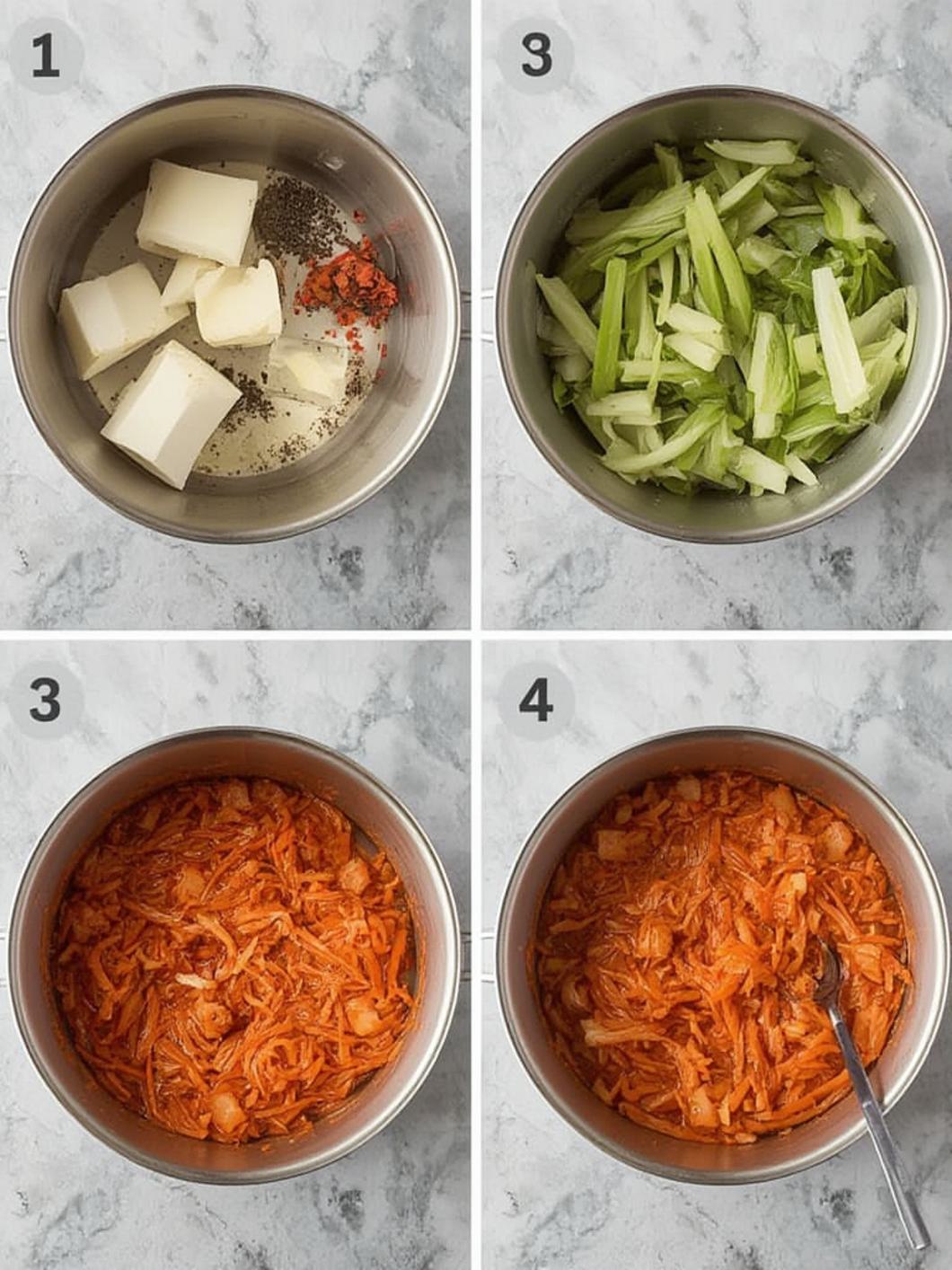
1. Kimchi Fried Rice: The ultimate leftover hack! Fry rice with kimchi, a fried egg, and perhaps some pork belly for a hearty meal.
2. Kimchi Jjigae: A comforting, spicy Korean stew made with kimchi, tofu, pork, and vegetables. Perfect for a cold day.
3. Kimchi Pancakes (Kimchi-jeon): Mix chopped kimchi into a simple savory pancake batter for crispy, flavorful fritters.
4. Kimchi Burgers or Hot Dogs: Add a tangy, spicy kick to your favorite grilled foods by topping them with finely chopped kimchi.
5. Kimchi Tacos: A fresh and spicy addition to your next taco night, especially with grilled pork or chicken.

FAQ
Q: How long does homemade kimchi last?
A: Properly stored in an airtight container in the refrigerator, homemade kimchi can last for several months, continuously fermenting and developing deeper flavors.
Q: Can I make kimchi without fish sauce or salted shrimp?
A: Yes, you can omit the fish sauce and salted shrimp for a vegetarian or vegan version. Use a vegetarian alternative like mushroom broth or miso paste for umami, or simply increase the amount of onion and garlic.
Q: Why is my kimchi not fermenting?
A: Fermentation thrives in warmer temperatures (60-70°F). If your home is too cold, it may take longer. Ensure your jars are airtight but allow for gas release if using a non-burping lid. Using non-iodized salt is also crucial.
Q: What if my cabbage isn’t soft enough after salting?
A: Give it more time. The salting process draws out water, making the cabbage pliable. If it’s still stiff, it hasn’t released enough water. Ensure consistent salt coverage.
Q: What’s the best way to store kimchi for optimal flavor?
A: Store kimchi in airtight glass jars or a dedicated fermentation crock in the refrigerator. The consistent cold temperature slows fermentation, preserving its taste and texture while allowing subtle development over time.
Conclusion
Crafting your own Napa Cabbage Kimchi is a deeply satisfying culinary journey that connects you with centuries of Korean tradition. From the meticulous salting of the cabbage to the careful blending of the spice paste, each step contributes to the incredible complexity and probiotic goodness of this beloved dish. Whether you call it Napa Cabbage Kimchi or the traditional Baechu Kimchi, the result is a flavorful condiment that will transform your meals and become a cherished part of your kitchen repertoire.
Recipe Note
For the best flavor and texture, ensure you use coarse, non-iodized sea salt for salting the cabbage. Iodine can interfere with the fermentation process, leading to off-flavors or inhibiting beneficial bacteria.

Napa Cabbage Kimchi
Cook Time: N/A
Total Time: 6-8 hours (initial prep and brining), plus 1-5 days for fermentation
Course: Side Dish / Condiment
Servings: 12-16 servings (yields about 2-3 quarts)
Calories: 60 calories per serving (estimated)
Ingredients
- 2 large heads (about 5-6 lbs) Napa cabbage
- 1 cup coarse sea salt (non-iodized, for brining)
- 1/2 cup glutinous rice flour
- 2 cups water (for rice porridge)
- 1/4 cup sugar
- 1 head garlic (about 10-12 cloves), peeled
- 2-inch piece fresh ginger, peeled
- 1 medium yellow onion, roughly chopped
- 1/2 cup fish sauce (or salted shrimp paste, saeujeot, for authentic flavor, or soy sauce for vegan)
- 1 1/2 cups Gochugaru (Korean chili flakes), adjust to taste for spice
- 1 large Korean radish (mu) or 1 daikon radish, julienned
- 6-8 green onions (scallions), cut into 2-inch pieces
- 1 medium carrot, julienned (optional)
Instructions
-
Salt the Cabbage
Place cabbage in a large bowl. Sprinkle with kosher salt and massage lightly. Add enough water to cover. Let sit 1–2 hours, tossing occasionally, until cabbage softens. Rinse thoroughly and drain. -
Prepare Kimchi Paste
In a separate bowl, combine garlic, ginger, gochugaru, fish sauce, sugar, and optional vegetables. Mix to form a paste. -
Mix Cabbage & Paste
Gently massage paste into cabbage until evenly coated. Use gloves if desired to protect hands from chili. -
Pack & Ferment
Pack kimchi into a clean glass jar or airtight container, pressing down to remove air pockets. Leave some space at the top for expansion. -
Fermentation
Leave at room temperature for 1–2 days to start fermenting, then refrigerate. Kimchi is usually ready in 3–7 days and develops stronger flavor over time.
💡 Tips & Variations
-
Vegetarian: Replace fish sauce with soy sauce or miso
-
Spicy level: Adjust gochugaru to taste
-
Quick kimchi: Ferment at room temperature for 24 hours, then refrigerate
-
Storage: Keeps up to 1 month in the fridge; flavor intensifies over time
Chef’s Notes: The fermentation time can vary based on your preferred level of sourness and ambient temperature. Taste test daily after the initial room temperature fermentation. For best results, use Korean coarse sea salt (gochujang sokeum) for brining. Adjust gochugaru for your desired spice level. Wear gloves when mixing the kimchi to protect your hands from the chili and prevent irritation.