Scrambled Eggs: 5 Perfect Recipes
Scrambled Eggs: 5 Perfect Recipes for Fluffy, Flavorful Mornings
Unlock the secret to perfectly cooked eggs every time with our comprehensive guide to Scrambled Eggs. Whether you prefer them soft and custardy or firm and fluffy, this article delves into techniques and variations that will elevate your breakfast game. Discover how to create the ultimate breakfast staple, including tips for making delectable Cheesy Scrambled Eggs that will tantalize your taste buds.
What You’ll Need
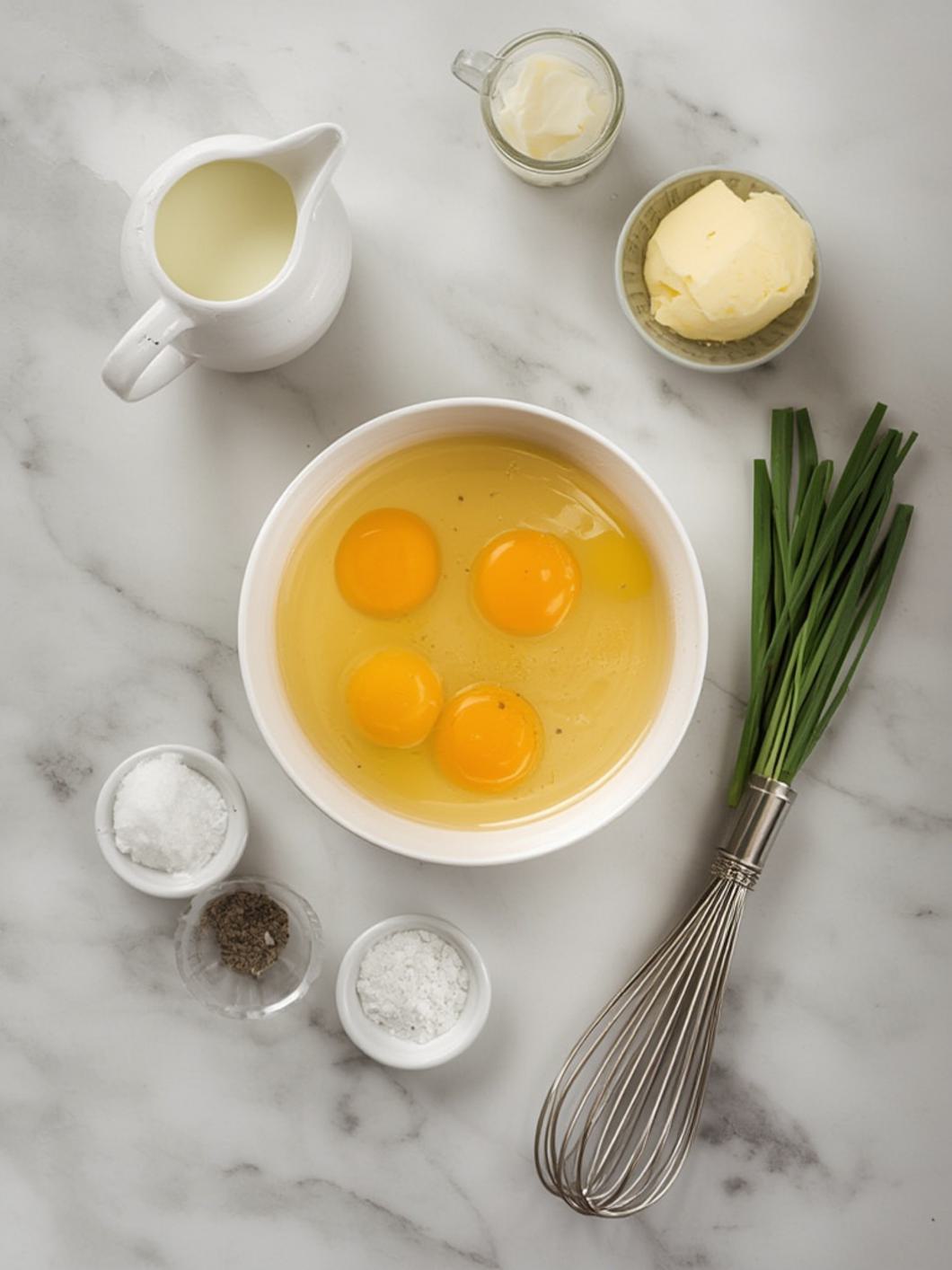
Gather these simple ingredients to create your perfect batch of scrambled eggs. Quality ingredients make all the difference for a superior result.
4 large eggs
2 tablespoons milk or cream (optional, for creamier eggs)
1 tablespoon unsalted butter
Salt and freshly ground black pepper to taste
Optional additions: 1/4 cup shredded cheddar or Gruyère cheese, 1 tablespoon chopped fresh chives or parsley
Preparation Instructions
Follow these steps to achieve perfectly cooked and tender Scrambled Eggs. The key is gentle heat and constant, careful stirring to prevent rubbery results. If you’re craving something extra indulgent, incorporating cheese will transform them into rich Cheesy Scrambled Eggs.
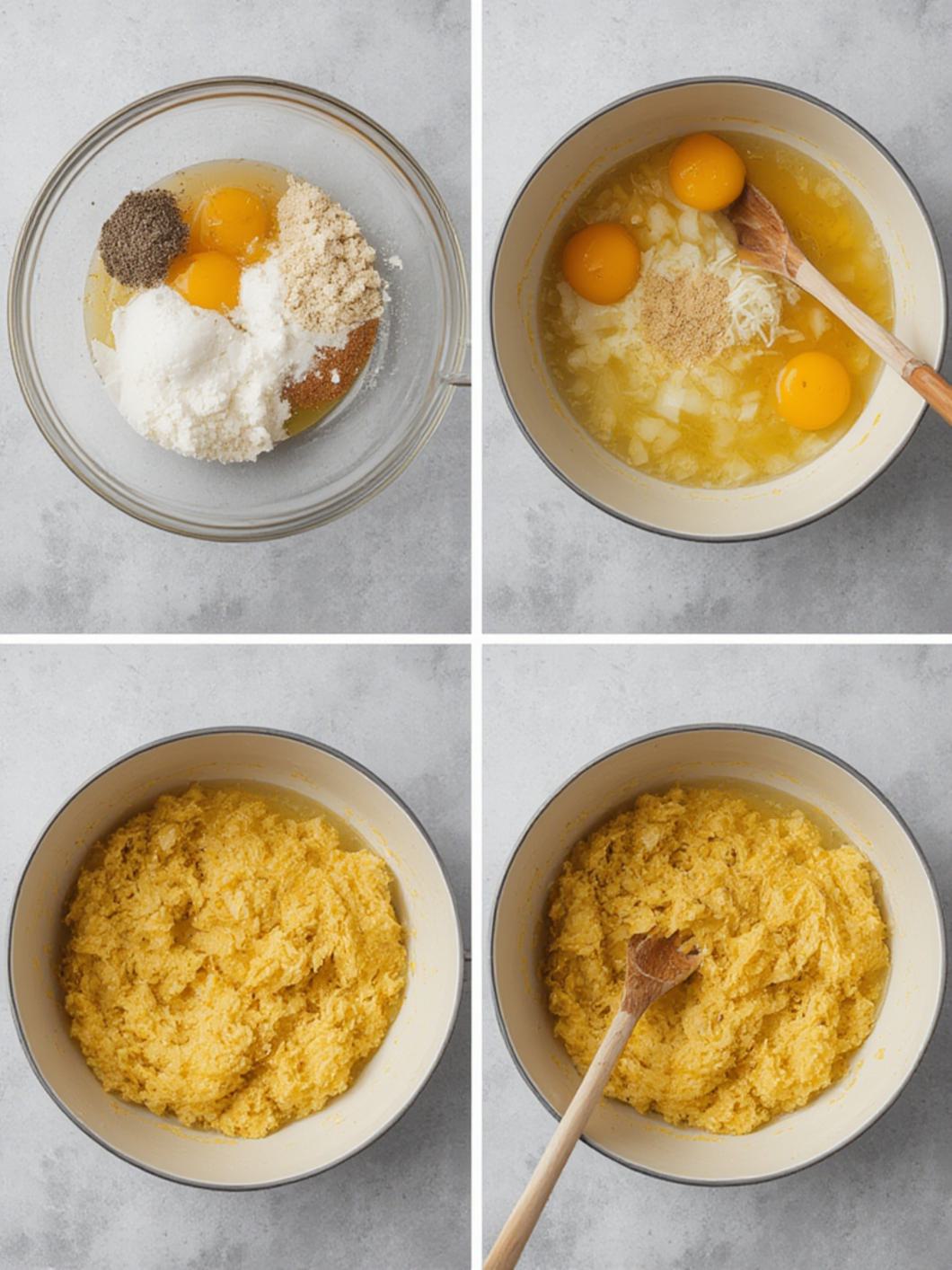
1. Whisk the Eggs: In a medium bowl, crack the eggs. Add the milk or cream (if using), a pinch of salt, and a dash of freshly ground black pepper. Whisk vigorously with a fork or whisk until the yolks and whites are fully combined and slightly frothy, but avoid over-whisking which can make them tough.
2. Heat the Skillet: Place a non-stick skillet (8-10 inches) over medium-low heat. Add the unsalted butter and let it melt until it’s just foamy. Swirl to coat the bottom and sides of the pan.
3. Pour and Set: Pour the egg mixture into the heated skillet. Let it sit undisturbed for about 30-60 seconds, allowing the edges to just begin to set.
4. Scramble Gently: Using a heat-resistant rubber spatula, gently push the cooked egg from one side of the pan towards the center, allowing the uncooked liquid egg to flow underneath into the empty space.
5. Fold and Cook: Continue this process, gently folding and pushing the eggs around the pan. Cook until they are mostly set but still visibly moist and glossy. This usually takes 2-4 minutes total. If you are adding cheese, fold it in during the last 30 seconds of cooking until just melted. Do not overcook; the eggs will continue to cook slightly after being removed from the heat.
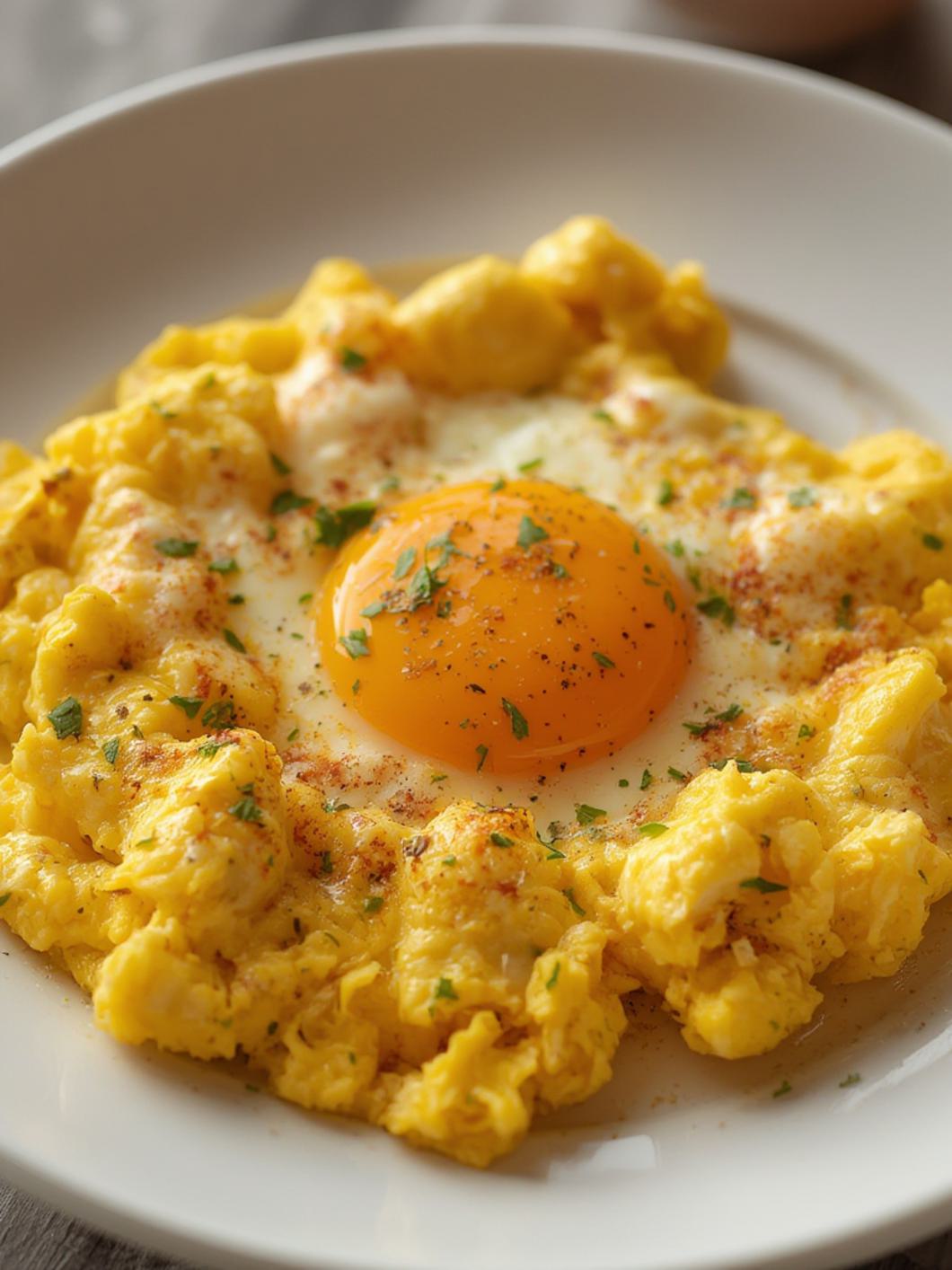
6. Serve Immediately: Remove the skillet from the heat and transfer the scrambled eggs to serving plates. Garnish with fresh chives or parsley if desired, and serve hot.
Fun Twists & Serving Ideas
Elevate your scrambled eggs with these creative variations:
Mediterranean Twist: Fold in chopped sun-dried tomatoes, feta cheese, and fresh spinach at the end of cooking.
Spicy Kick: Add a dash of hot sauce or red pepper flakes to the egg mixture, and top with sliced avocado.
Herb Garden: Mix in a medley of fresh herbs like dill, parsley, and chives for an aromatic delight.
Breakfast Burrito Ready: Serve in a warm tortilla with salsa, black beans, and a dollop of sour cream.
Smoked Salmon & Cream Cheese: Stir in bits of smoked salmon and cream cheese for a luxurious brunch option.
FAQ
Q: What’s the secret to fluffy scrambled eggs?
A: Using medium-low heat and gently folding the eggs as they cook, rather than aggressively stirring, helps create larger, softer curds. Adding a touch of milk or cream can also contribute to a lighter texture.
Q: Can I prepare the egg mixture ahead of time?
A: While you can whisk the eggs up to an hour in advance and keep them refrigerated, fresh whisking just before cooking yields the best texture.
Q: What kind of pan is best for scrambled eggs?
A: A non-stick skillet is highly recommended to prevent sticking and ensure easy cleanup, resulting in perfectly formed curds.
Q: How do I avoid rubbery scrambled eggs?
A: The most common cause of rubbery eggs is overcooking. Remove them from the heat when they are still slightly moist and glossy; they will continue to cook from residual heat. High heat can also lead to tough eggs.
Q: What are some good toppings for scrambled eggs?
A: Beyond cheese, popular toppings include chives, parsley, hot sauce, salsa, avocado slices, cooked bacon or sausage bits, and sautéed mushrooms or onions.
Conclusion
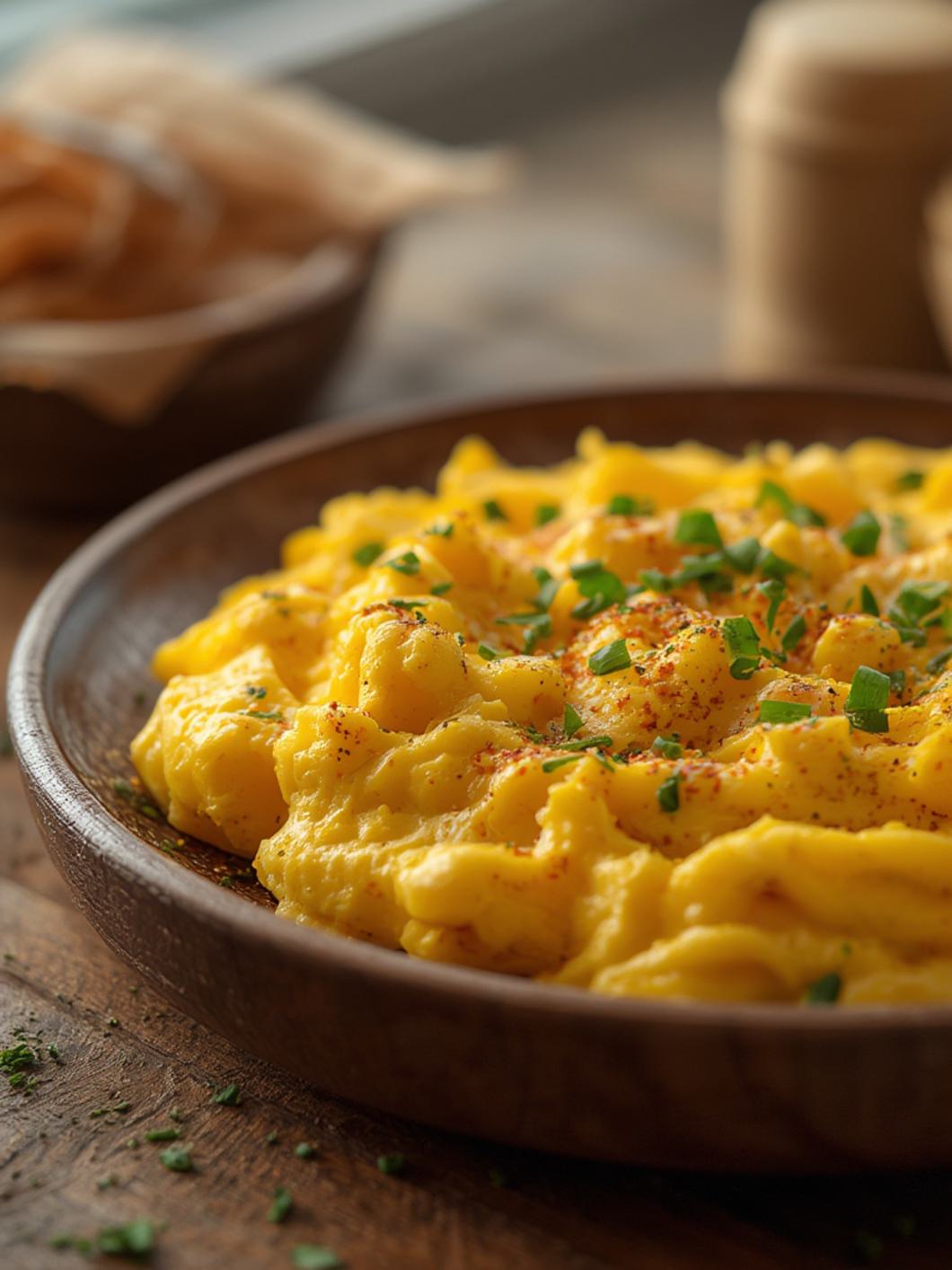
Mastering the art of Scrambled Eggs is a fundamental skill for any home cook, and with these simple techniques, you’re well on your way to breakfast perfection. Experiment with different additions, from fresh herbs to a generous sprinkle of cheese for irresistible Cheesy Scrambled Eggs, to find your ultimate version. Enjoy the simplicity and satisfaction of a perfectly cooked egg dish!
Recipe Note
For truly creamy scrambled eggs, consider using a double boiler method (cooking the eggs in a bowl set over simmering water) and stirring constantly. This low, indirect heat ensures a delicate, custardy texture without any risk of overcooking.
Scrambled Eggs
Cook Time: 5 minutes
Total Time: 10 minutes
Course: Breakfast
Servings: 1-2
Calories: 180-250 per serving (depending on ingredients)
Ingredients
- 2-3 large eggs
- 1 tablespoon milk or cream (optional, for creamier eggs)
- 1/2 tablespoon butter or oil
- Pinch of salt
- Pinch of black pepper
Instructions
-
Whisk Eggs
Crack eggs into a bowl. Add milk (if using), salt, and pepper. Whisk until fully combined and slightly frothy. -
Heat Pan
Melt butter in a non-stick skillet over medium-low heat. -
Cook Gently
Pour eggs into the pan. Let sit for a few seconds, then gently stir with a spatula, pushing eggs from the edges toward the center. -
Finish Cooking
Continue cooking slowly until eggs are just set but still soft and creamy. Remove from heat immediately. -
Serve
Taste and adjust seasoning. Serve warm.
💡 Tips & Variations
-
Creamiest eggs: Cook low and slow, stirring gently
-
Fluffier eggs: Whisk well to incorporate air
-
No milk version: Butter alone keeps eggs rich
-
Cheesy finish: Add cheese just before removing from heat
Chef’s Notes: This is a basic recipe for classic scrambled eggs. Feel free to customize with cheese, herbs, or vegetables like diced bell peppers or spinach. For creamier eggs, use a lower heat and stir less frequently.