Panettone: 5 Holiday Recipes
Holiday Magic: Master the Art of Panettone with These 5 Festive Recipes
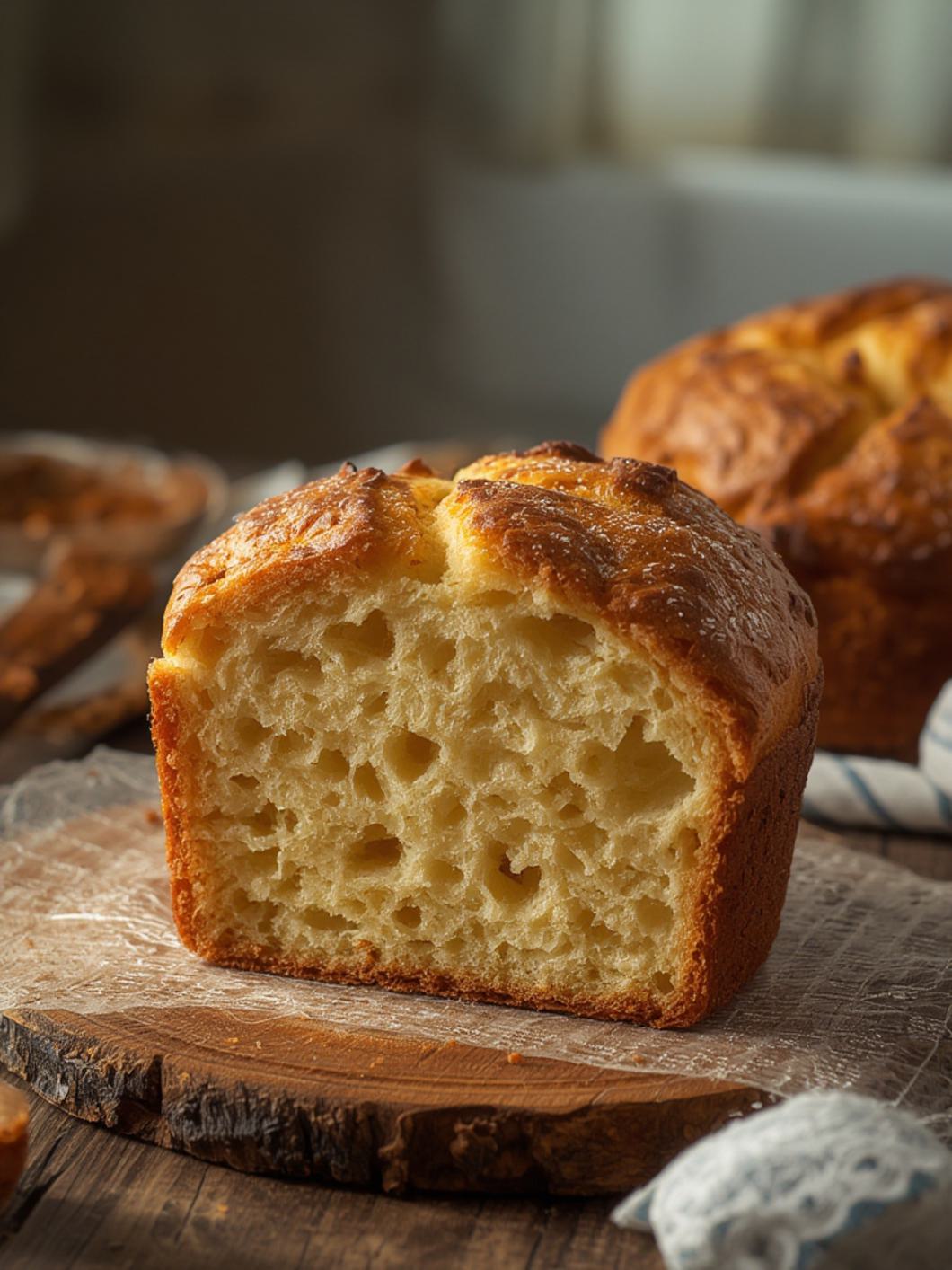
As the festive season approaches, there’s a certain magic that fills our homes, often accompanied by the irresistible aroma of holiday baking. Few treats embody this spirit quite like Panettone, the iconic sweet bread that has graced tables for centuries. This rich, dome-shaped confection, studded with candied fruits and raisins, is more than just a dessert; it’s a symbol of celebration, family, and tradition. Originating from Milan, this beloved Italian Christmas cake has captivated hearts worldwide with its incredibly soft texture and aromatic flavor. Get ready to embark on a delightful baking journey as we explore how to create this holiday masterpiece in your own kitchen.
Recipe Card will be inserted here.
Quick Glance Summary
This classic Panettone recipe guides you through creating a light, airy, and fragrant Italian sweet bread. With its signature dome shape, rich buttery crumb, and delightful mix of candied fruits and raisins, it’s the perfect centerpiece for any holiday celebration. While it requires patience, the reward of a homemade Italian Christmas cake is truly unparalleled.
What You’ll Need
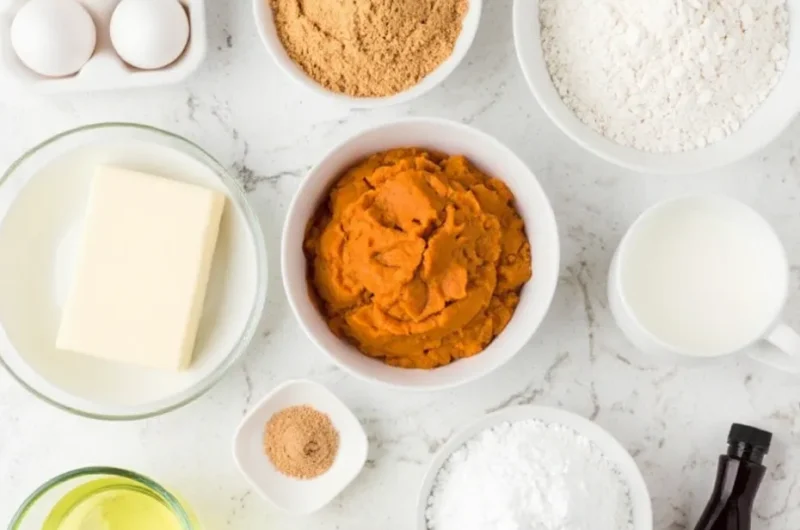
Crafting the perfect Panettone involves a few key ingredients that contribute to its unique flavor and texture. Gather these essentials, and you’ll be well on your way to baking a holiday masterpiece.
Prep time: 4 hours (plus overnight proofing)
Servings: 1 large Panettone (10-12 slices)
1 cup warm milk (105-115°F)
2 ¼ teaspoons active dry yeast (1 packet)
½ cup granulated sugar, divided
4 large eggs, room temperature
1 teaspoon vanilla extract
½ teaspoon almond extract (optional)
4 ½ cups all-purpose flour, plus more for dusting
1 teaspoon salt
¾ cup unsalted butter, softened
¾ cup candied orange peel, diced
¾ cup candied lemon peel, diced
1 cup golden raisins, plumped in warm water and drained
Zest of 1 orange
Zest of 1 lemon
1 panettone paper mold (approx. 6-7 inches diameter, 4-5 inches high)
Preparation Instructions
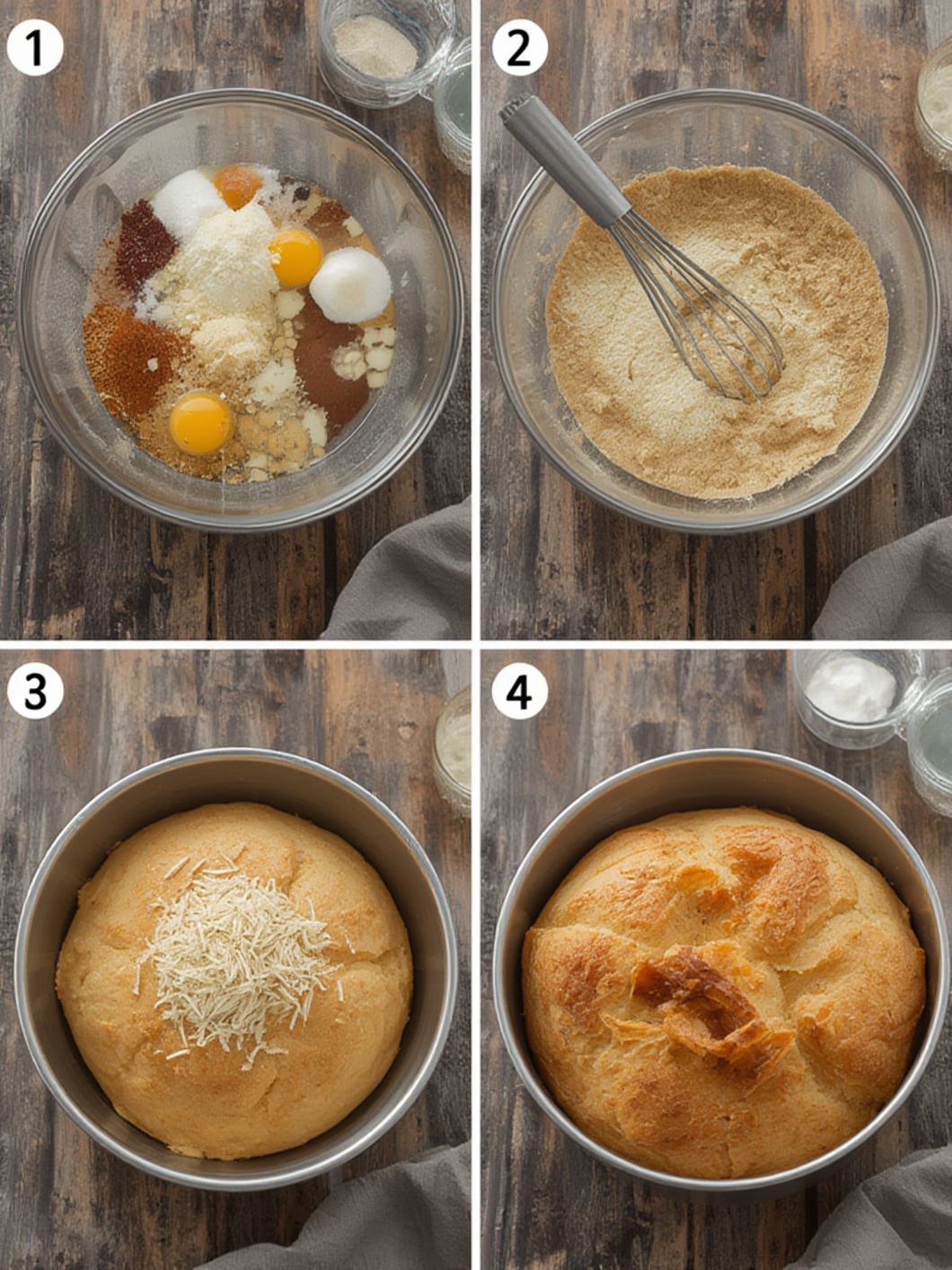
Baking Panettone is a labor of love, but the process is incredibly rewarding. Follow these steps carefully to ensure a light, airy, and flavorful loaf that will impress everyone at your holiday table. This intricate Italian Christmas cake tradition is worth every moment of effort!
1. Activate the Yeast: In a large bowl, combine warm milk, yeast, and 1 tablespoon of the sugar. Let it sit for 5-10 minutes until foamy.
2. Combine Wet Ingredients: Add the remaining sugar, eggs, vanilla extract, and almond extract (if using) to the yeast mixture. Whisk until well combined.
3. Mix Dry Ingredients: In a separate large bowl, whisk together the flour and salt.
4. Form the Dough: Gradually add the flour mixture to the wet ingredients, mixing with a wooden spoon until a shaggy dough forms.
5. Knead the Dough: Transfer the dough to a lightly floured surface. Knead for 10 minutes until smooth and elastic.
6. Incorporate Butter: Gradually add the softened butter, one tablespoon at a time, kneading thoroughly after each addition until fully incorporated. The dough will be very soft and sticky but continue to knead until it pulls away from the surface and becomes smooth (about 15-20 minutes).
7. First Proof: Place the dough in a lightly oiled bowl, turning once to coat. Cover with plastic wrap and let rise in a warm place for 2-3 hours, or until doubled in size.
8. Add Inclusions: Gently deflate the dough. Add the candied orange peel, candied lemon peel, plumped raisins, orange zest, and lemon zest. Knead briefly to evenly distribute the fruits.
9. Shape and Second Proof: Form the dough into a round ball and carefully place it into the panettone paper mold. Cover loosely with plastic wrap or a damp towel. Let it rise in a warm place for another 2-4 hours, or until the dough almost reaches the top of the mold. For an even more authentic texture, you can also opt for an overnight cold proof in the refrigerator at this stage.
10. Preheat and Bake: Preheat your oven to 375°F (190°C).
11. Score (Optional): If desired, make a shallow cross cut on the top of the dough with a sharp knife or razor blade. You can place a small knob of butter in the center of the cross for extra richness.
12. Bake: Bake for 10 minutes, then reduce the oven temperature to 325°F (160°C) and bake for another 40-50 minutes, or until a wooden skewer inserted into the center comes out clean and the crust is golden brown. If the top starts to brown too quickly, loosely tent with aluminum foil.
13. Cool: Carefully remove the Panettone from the oven. If your mold allows, you can invert it by piercing the base with two long skewers and hanging it upside down between two elevated surfaces (like chairs or thick books) to prevent it from collapsing as it cools. Cool completely for several hours or overnight before slicing and serving.
Fun Twists & Serving Ideas
Chocolate Chip Panettone: Replace or supplement the candied fruits with 1 cup of dark chocolate chips or chunks for a decadent twist.
Nutty Panettone: Add ½ cup of toasted chopped almonds, hazelnuts, or pistachios along with the dried fruits for added crunch and flavor.
Panettone French Toast: Slice leftover Panettone thick, dip in an egg and milk mixture, and griddle until golden. Serve with fresh berries and maple syrup.
Panettone Bread Pudding: Use stale Panettone to create a rich bread pudding, soaking it in a custard base with a hint of orange liqueur.
Served with Mascarpone Cream: Whip mascarpone cheese with a touch of powdered sugar, vanilla, and orange zest for a luxurious accompaniment.
Reviews
“This homemade Panettone recipe is a game-changer! It was truly worth the effort, and my family raved about it all Christmas. The texture was perfect!” – Maria S. ⭐⭐⭐⭐⭐
“I’ve always bought Panettone, but this year I decided to try making it myself. This recipe was detailed and easy to follow. The result was an incredibly moist and flavorful Italian Christmas cake that tasted just like authentic Italian bakeries!” – Giovanni P. ⭐⭐⭐⭐⭐
“A challenging but incredibly rewarding bake! The aroma filling my kitchen was divine. It’s now a new holiday tradition in our home.” – Sarah L. ⭐⭐⭐⭐
FAQ
Q: What is Panettone?
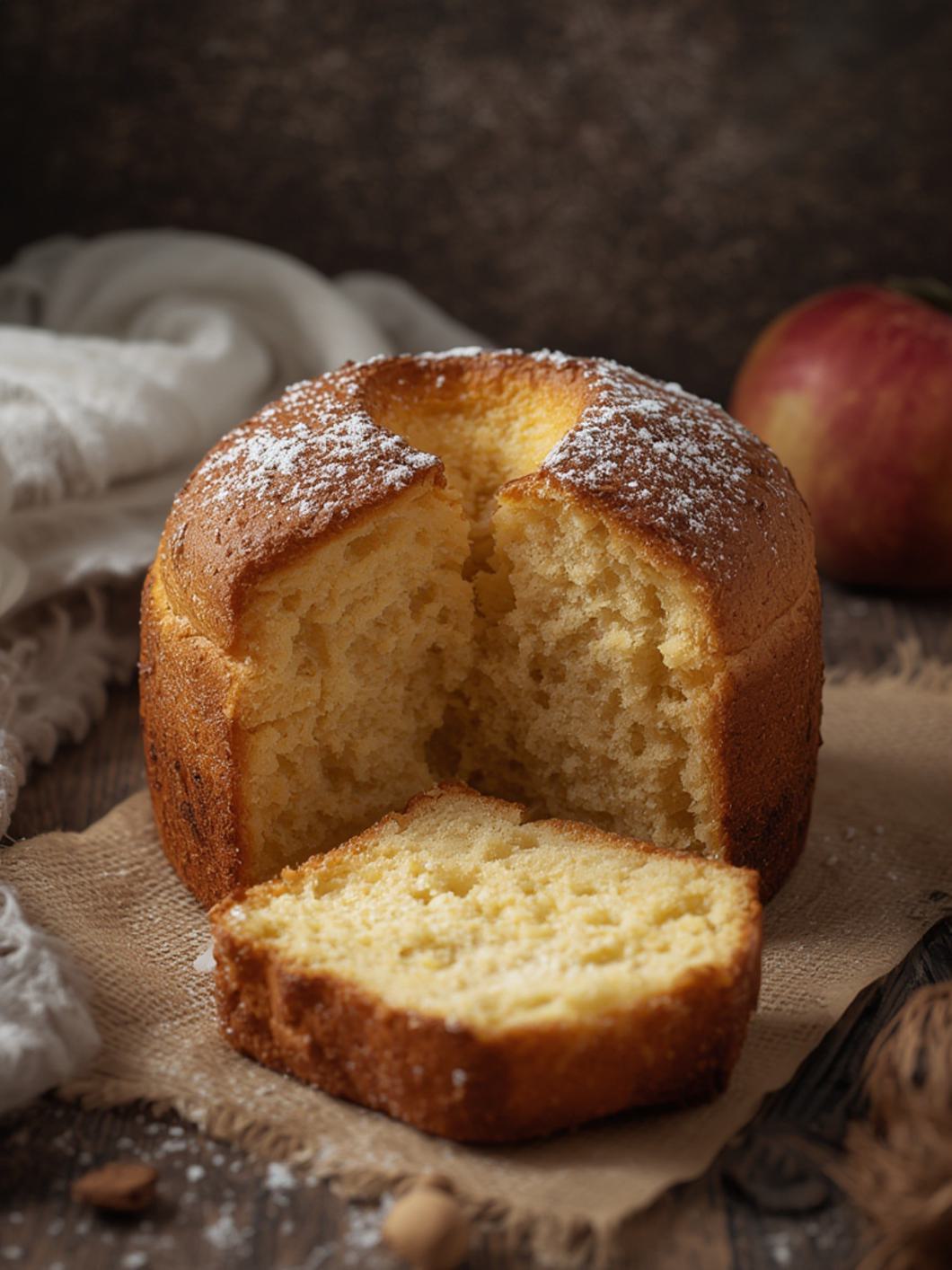
A: Panettone is a traditional Italian sweet bread, typically prepared and enjoyed for Christmas and New Year. It has a distinctive tall, dome shape and is usually filled with candied orange peel, citron, and raisins.
Q: How long does homemade Panettone last?
A: When stored properly in an airtight container at room temperature, homemade Panettone can last for 3-5 days. For longer storage, it can be frozen for up to 2-3 months.
Q: Can I use different dried fruits?
A: Absolutely! While traditional Italian Christmas cake uses candied orange and raisins, you can experiment with dried cranberries, cherries, apricots, or even chocolate chips.
Q: Why do I need to knead the dough for so long?
A: The long kneading time develops the gluten structure in the dough, which is crucial for achieving Panettone’s characteristic light, airy, and stretchy texture. It also helps incorporate the high amount of butter evenly.
Q: What if I don’t have a Panettone mold?
A: You can use a tall, round baking pan (like a springform pan) lined with parchment paper that extends several inches above the rim to provide support as the dough rises.
Conclusion
Baking homemade Panettone is an experience that transcends mere cooking; it’s an embrace of tradition, patience, and the joy of creating something truly special. The rich, aromatic flavors and the incredibly soft texture make every slice a celebration. Whether you’re making it for your own family or as a thoughtful gift, this beautiful Italian Christmas cake is sure to bring warmth and cheer to your holiday season. Dive in, enjoy the process, and savor the unforgettable taste of your very own festive masterpiece.
Recipe Note
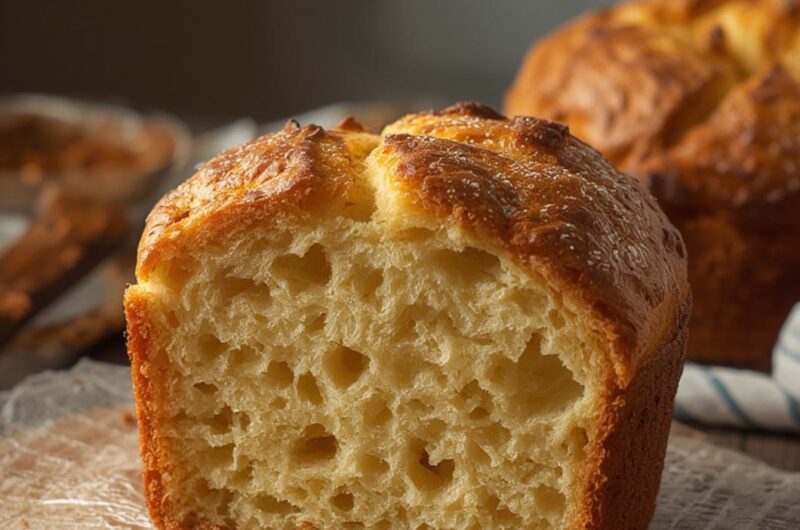
For the most authentic texture, remember to cool your Panettone upside down. This helps prevent the delicate, airy crumb from compressing under its own weight, ensuring that signature lofty structure.
Panettone
Cook Time: 50–55 minutes
Total Time: 2 days 18 hours (including long proofing times)
Course: Dessert / Sweet Bread / Holiday Bread
Servings: 12-16 slices
Calories: 380 kcal per slice (approx.)
Ingredients
- For the Biga (Pre-ferment):
- 100g strong bread flour
- 50ml lukewarm water
- 1/4 tsp instant dry yeast
- For the First Dough:
- All of the Biga
- 100g strong bread flour
- 50g granulated sugar
- 50ml whole milk, lukewarm
- 1 large egg yolk
- 50g unsalted butter, softened
- 1/2 tsp instant dry yeast
- For the Second Dough:
- All of the First Dough
- 300g strong bread flour
- 150g granulated sugar
- 3 large eggs + 2 large egg yolks
- 100ml whole milk, lukewarm
- 150g unsalted butter, softened
- 1 tsp vanilla extract
- Zest of 1 orange
- Zest of 1 lemon
- 1/2 tsp salt
- 150g candied orange peel, diced
- 100g golden raisins, soaked in warm water/rum and drained
- For Glaze (Optional):
- 1 egg white
- 2 tbsp almond meal
- 2 tbsp granulated sugar
- A few whole almonds
- Powdered sugar for dusting
Instructions
-
Soak the fruit:
In a small bowl, combine raisins and candied fruit with rum (or warm water). Set aside. -
Make the dough:
In a mixing bowl, combine warm milk and yeast. Let sit 10 minutes.
Add sugar, eggs, vanilla, citrus zest, and salt. Mix well.
Add flour and knead until a soft dough forms. -
Add butter:
Add softened butter gradually while kneading until fully incorporated (dough will be sticky but elastic). -
Add fruit:
Drain fruit and mix into dough gently until evenly distributed. -
First rise:
Cover bowl and let dough rise 6–8 hours (or overnight) until doubled. -
Shape & second rise:
Form dough into a round ball and place in a panettone mold.
Rise again 2–3 hours. -
Bake:
Preheat oven to 175°C (350°F).
Bake 45–55 minutes, covering top with foil halfway if browning too fast. -
Cool:
Cool upside down (traditional method) or upright on a rack.
Chef’s Notes: Panettone is a labor of love, requiring patience and multiple proofing stages. Using a stand mixer is highly recommended due to the sticky, enriched dough. Invest in proper Panettone paper molds for the best results. The inverted cooling step is crucial to prevent the bread from collapsing.